

LIFE SMART IAS
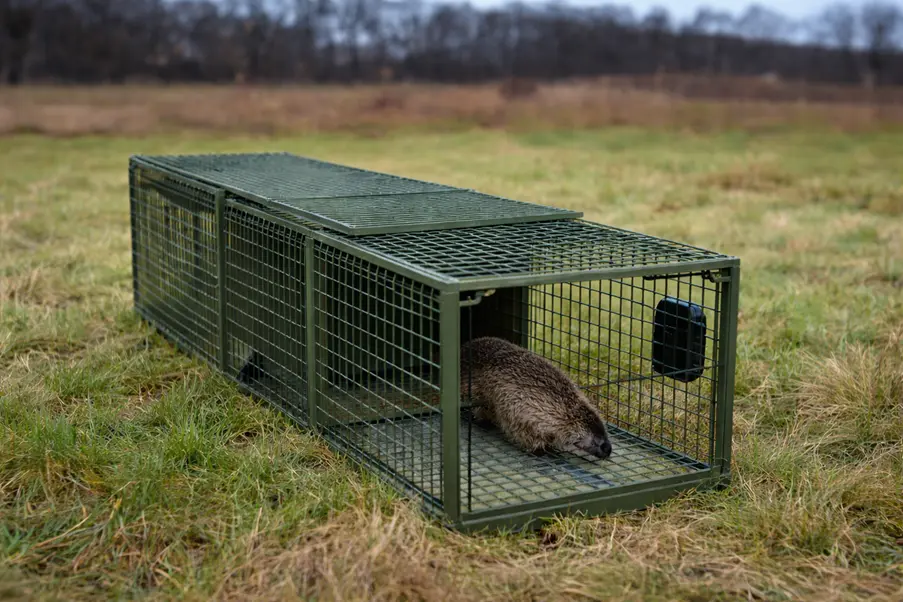
LIFE SMART IAS is a European Union–funded initiative under the LIFE Programme focused on the upscaling and replication of an advanced smart system for the targeted monitoring and life trapping of invasive alien species (IAS), including coypu and muskrat.
Building upon the technological and ecological achievements of the previous LIFE MICA and Reeds for LIFE projects, LIFE SMART IAS moves from validated innovation toward scalable, operational deployment across Europe. The project integrates ecological expertise, molecular detection, artificial intelligence, and intelligent hardware into one coordinated and future-ready ecosystem.
Project Vision
The project aims to modernize invasive species management by replacing reactive, labor-intensive practices with intelligent, data-driven systems. LIFE SMART IAS introduces a selective and measurable framework that improves ecological precision, reduces unintended impacts, and strengthens cross-border collaboration.
By combining environmental DNA monitoring, AI-powered smart traps, and a centralized digital infrastructure, the system supports authorities in making evidence-based decisions with higher efficiency and transparency.
Core Objectives
LIFE SMART IAS is structured around five strategic goals:
- Finalize and optimize four key technological components developed in LIFE MICA
- Develop comprehensive operational and training documentation
- Create a practical replication and deployment guide for broader European adoption
- Implement a structured dissemination and awareness strategy
- Design a sustainable exploitation model ensuring long-term continuity beyond the project lifecycle
The objective is not only technological validation, but real-world scalability.
Integrated Technology Framework
LIFE SMART IAS combines multiple advanced technologies into a unified operational architecture designed for field robustness and institutional integration.
System Components:
- eDNA Monitoring: using ddPCR for high-precision species detection and quantification
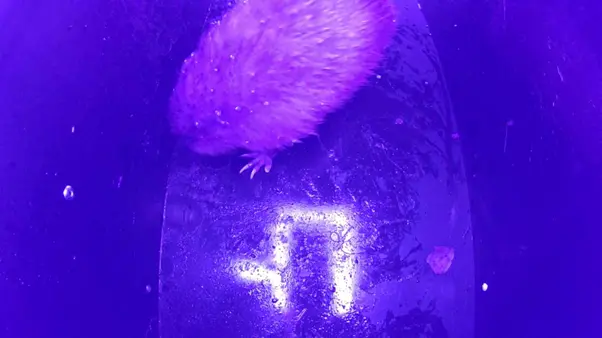
- AI-driven Smart Life Traps: enabling species-specific targeting while minimizing bycatch
- Sensor Fusion Systems: integrating environmental, motion, and camera-based data
- Secure Data Infrastructure: supporting both on-premises and cloud-based processing
- Web & Mobile Interfaces: for operational control and stakeholder collaboration
This modular design ensures adaptability across ecological conditions and regulatory environments.
Spectro-AI’s Leading Role
Spectro-AI plays a central technological role within LIFE SMART IAS, leading the development of the artificial intelligence and digital platform architecture.
Lead Development: AI
Spectro-AI is fully responsible for the development of the AI engine powering the smart trap ecosystem:
- Species detection algorithms
- Behavioral recognition models
- Adaptive trap activation logic
- Continuous AI optimization
Lead Development: Web Platform
Spectro-AI is responsible for the full development of the project’s digital backbone:
- Centralized management platform
- Structured data traceability
- Real-time monitoring dashboards
- Automated reporting tools
Co-Development: Smart Trap
In collaboration with hardware partners, Spectro-AI co-develops the smart trap architecture:
- Embedded AI integration
- Sensor fusion logic
- Edge-level decision making
- System stability protocols
This transforms traps into autonomous field units capable of informed ecological intervention.
Ethical & Data-Driven Wildlife Management
LIFE SMART IAS introduces a selective and responsible approach to invasive species control. By combining AI validation and eDNA confirmation, the system ensures that interventions are based on reliable evidence.
This improves:
- Biodiversity protection
- Animal welfare standards
- Operational transparency
- Public trust in management
Replication & Long-Term Sustainability
Ensuring that the system can be adopted across Europe through:
- Structured replication toolkits
- Operational training frameworks
- Deployment guidelines
- Long-term exploitation strategies
The goal is to create a sustainable ecological infrastructure for intelligent IAS management.
Environmental & Societal Impact
- Protection of ecosystems and biodiversity
- Reduction of infrastructure damage
- Lower operational costs for authorities
- Increased data transparency
Supports European environmental policy and long-term ecosystem resilience.
Project Coordination & Consortium
- GEOkomm e.V. – Germany
- INBO – Belgium
- Robor Electronics B.V. – Netherlands
- SpectroAG (Spectro-AI) – Netherlands
- Waterschap Rivierenland – Netherlands
- Naturschutzzentrum Kleve – Germany
- Alfred Toepfer Akademie – Germany
- VMM – Belgium
Contact Information
Jürgen Bund
GEOkomm e.V.
lsi-internal@geokomm.de